What to plan before heading to Hatta Mountain Dubai
Know what you are getting into
Hatta Mountain Dubai sits on the eastern edge of the emirate, a rugged pocket of the Hajar range that looks nothing like the city skyline most visitors imagine. The landscape is dry, rocky and cut by deep wadis. Temperatures can swing sharply between day and night, and the sun feels intense even when the air is cool. Before you load the car or book a tour, it pays to understand the environment you will be driving through. This is not a manicured park; it is a genuine mountain area where preparation makes the difference between a relaxed day out and a stressful one.
Check the weather and season
Winter, roughly November through March, is the most comfortable window. Daytime temperatures sit in the low to mid 20s Celsius, and the chance of rain is modest but real. Summer months push past 40 degrees, making outdoor activity unpleasant and even dangerous if you are not used to the heat. Check the forecast a few days ahead and again on the morning you go. A clear sky in Dubai city does not always mean clear conditions in the mountains; localised showers can form quickly over the higher ground, and the wadis can flood with little warning. If rain is forecast, postpone. Flash floods in dry riverbeds are a real hazard, and rescue services advise against entering wadi areas when rain is expected upstream.
Think about transport and access
A standard two-wheel-drive car can handle the main paved roads inside the Hatta area, but many of the interesting spots require a four-wheel-drive vehicle with decent ground clearance. Gravel tracks, loose rocks and steep inclines are common once you leave the tarmac. If you are relying on a rental car, check the terms for off-road driving; some rental agreements forbid it, and insurance may not cover damage to the undercarriage or tyres on unpaved roads. For those who prefer not to drive themselves, a guided tour is a practical alternative. A provider such as Hatta Mountain Tour Dubai typically handles the vehicle, route planning and permits, leaving you free to enjoy the scenery without worrying about punctures or navigation.
Pack for the conditions, not the brochure
Many people arrive in Hatta wearing casual city clothes, only to find that the wind cuts through a light jacket once the sun drops behind the ridge. Layering is the answer: a base layer that wicks moisture, an insulating mid-layer, and a windproof outer shell. Sturdy shoes with a grippy sole are essential if you plan to walk on uneven ground. Sun protection matters all year round. Bring a wide-brimmed hat, sunglasses and a high-SPF sunscreen, and reapply it during the day. Water is the most critical item. Carry at least two litres per person, more if you intend to hike. There are no shops once you are deep in the wadis, and the dry air dehydrates you faster than you realise. A small first-aid kit, a power bank for your phone and a paper map or downloaded offline map are sensible additions.
Understand the activity you choose
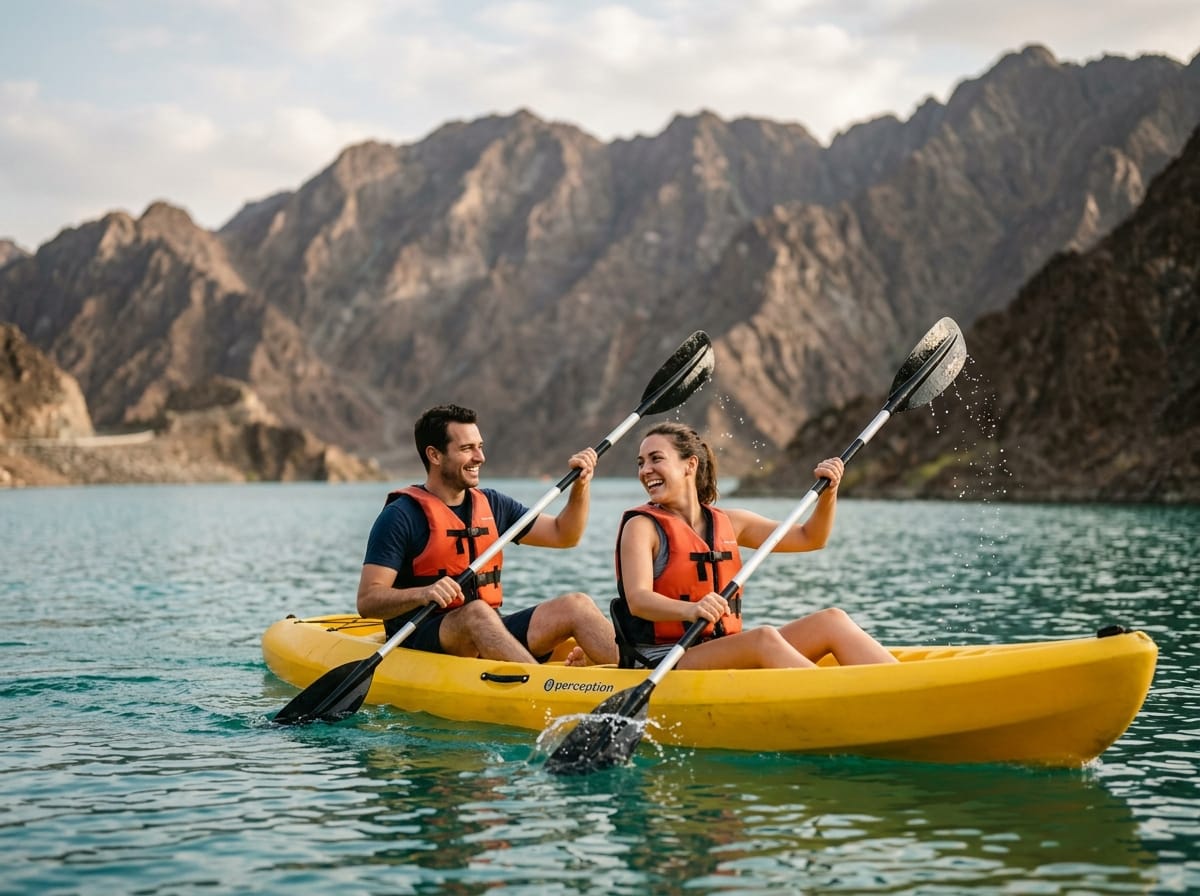
Hatta offers several distinct experiences, and each has its own requirements. If you are visiting the Hatta Dam for kayaking, check that the water level is adequate and that the rental operators are open on the day you plan to go. For mountain biking, the trails range from easy gravel paths to technical single tracks; match the route to your skill level and make sure the bike you rent or bring is in good mechanical condition. Hiking routes vary from short, family-friendly walks to multi-hour treks with significant elevation gain. Read recent trip reports or ask a local guide about current trail conditions. A trail that was easy in December can become overgrown or washed out after a few weeks of weather. If you are booking through an organised tour, confirm what is included: transport, meals, equipment, insurance and entry fees. The wording on a website can be vague, so a quick phone call or email to clarify the inclusions saves surprises on the day.
Check permits and restrictions
Some areas in and around Hatta require a permit for access, especially if you plan to camp or use a drone. The Hatta Dam area and the nearby heritage village are generally open to the public, but the more remote wadis and mountain peaks fall within protected zones or private land. The Dubai Municipality and the Hatta Tourism Development Authority have published guidelines on their official websites. Camping is allowed in designated spots only, and open fires are banned in most places to reduce the risk of wildfires. Drone flying is heavily regulated across the UAE; recreational use in Hatta typically requires a permit from the General Civil Aviation Authority, and flying near the dam or the village is likely to attract attention from the local authorities. Ignorance of these rules is not an excuse, and fines can be steep.

Consider your fitness and health
The altitude in Hatta is modest, rarely exceeding 1,000 metres, but the terrain is demanding. Walking on loose scree or climbing a steep ridge for an hour requires a reasonable level of fitness. If you have any medical conditions that affect your breathing or mobility, plan a shorter route and let someone know your itinerary. The nearest medical facility is a small clinic in the town of Hatta; for serious emergencies, you would need to travel back toward Dubai or to the hospital in Al Ain. Carry any personal medication in your daypack, along with a written note of your blood type and any allergies. Sunstroke and heat exhaustion are the most common problems for visitors who underestimate the sun. Take breaks in the shade, sip water regularly and avoid physical exertion during the hottest part of the day, usually between noon and three in the afternoon.
Respect the local community and environment
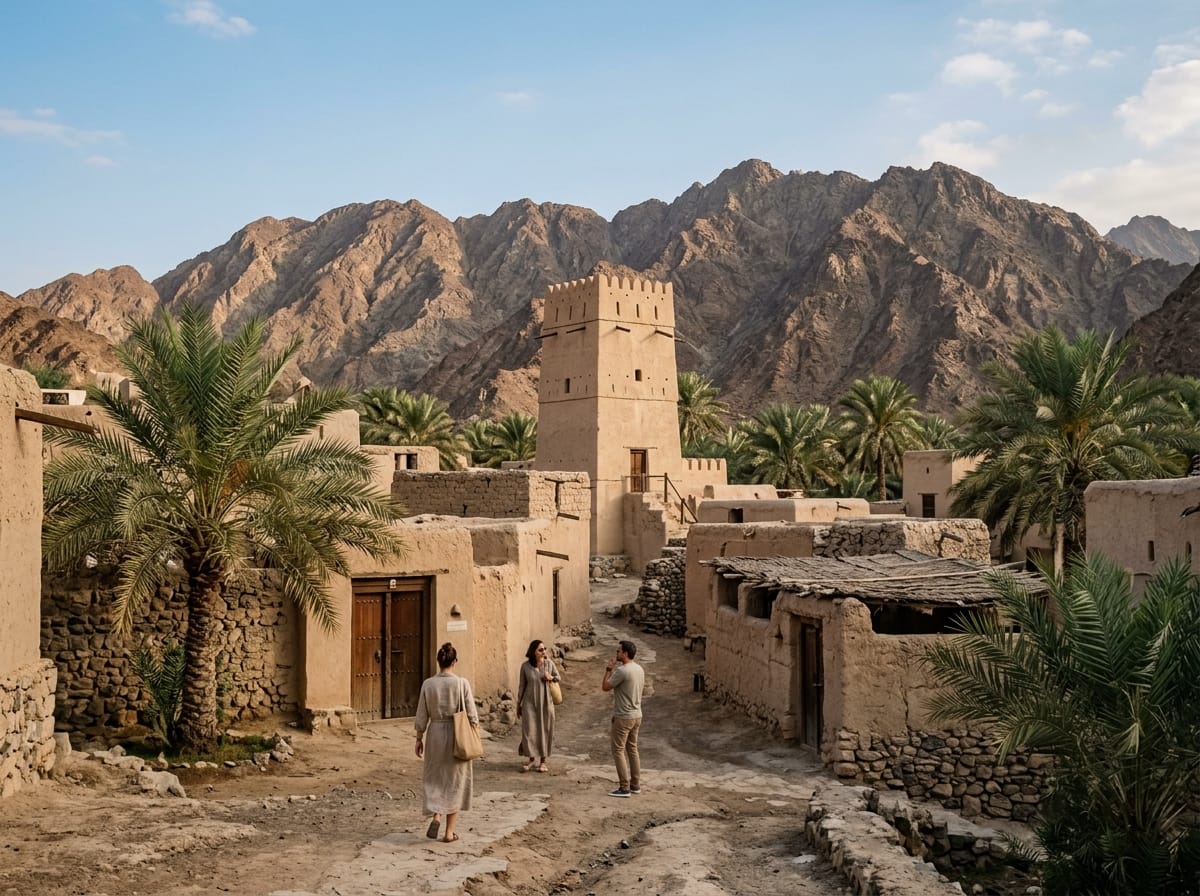
Hatta is home to a small Emirati community, and the heritage village offers a glimpse into traditional mountain life. Treat the area with the same courtesy you would show any residential neighbourhood. Loud music, littering and straying off marked trails are not welcome. Leave gates as you found them, do not disturb livestock, and take all rubbish back with you. The wadis are fragile ecosystems; plants and animals that live there are adapted to a harsh climate and can be damaged easily by human activity. A simple rule: pack out everything you pack in, including food scraps and toilet paper. Many visitors also make the mistake of taking rocks or fossils as souvenirs. This is generally discouraged and in some areas illegal, as it depletes the natural heritage of the region.
Time your visit wisely
Weekends in Hatta can be busy, especially during the cooler months. The dam area and the main viewpoints see crowds from late morning until mid-afternoon. If you prefer a quieter experience, arrive early, before nine in the morning, or plan a visit on a weekday. Sunset is a popular time for photography, and the light is beautiful, but remember that the roads back to Dubai can become congested after dark, particularly on Fridays. Allow enough time for the drive, which takes roughly an hour and a half from central Dubai under normal traffic conditions. Factor in an extra thirty minutes for the winding mountain roads if you are not used to them.
Final practical checks before you leave
Before you set off, run through a quick mental checklist. Fill the car with fuel; the last petrol station before the mountain area is in the town of Hatta itself. Make sure your phone is fully charged and that you have downloaded offline maps or saved the GPS coordinates of your destination. Let someone at home know your rough plan and expected return time. Check that your vehicle has a spare tyre, a jack and a basic tool kit. If you are visiting alone, consider sharing your location via a phone app with a trusted contact. The mobile network coverage in the valleys can be patchy, so do not rely on streaming or social media for navigation. A simple, old-fashioned approach works best: a printed map, a full tank of fuel and a clear idea of where you are going. With these basics in place, you can enjoy everything the area has to offer without unnecessary risk. A reliable operator like Hatta Mountain Tour Dubai can take care of most of these details for you, which is why many first-time visitors choose a guided experience rather than going it alone. Either way, a little advance thought turns a good trip into a great one.